
Advantages of Black Dyed Yarn for Textile Manufacturing
How deep shade, design versatility and colourfastness potential depend on fibre, dye class, fixation, washing-off, package preparation and testing.
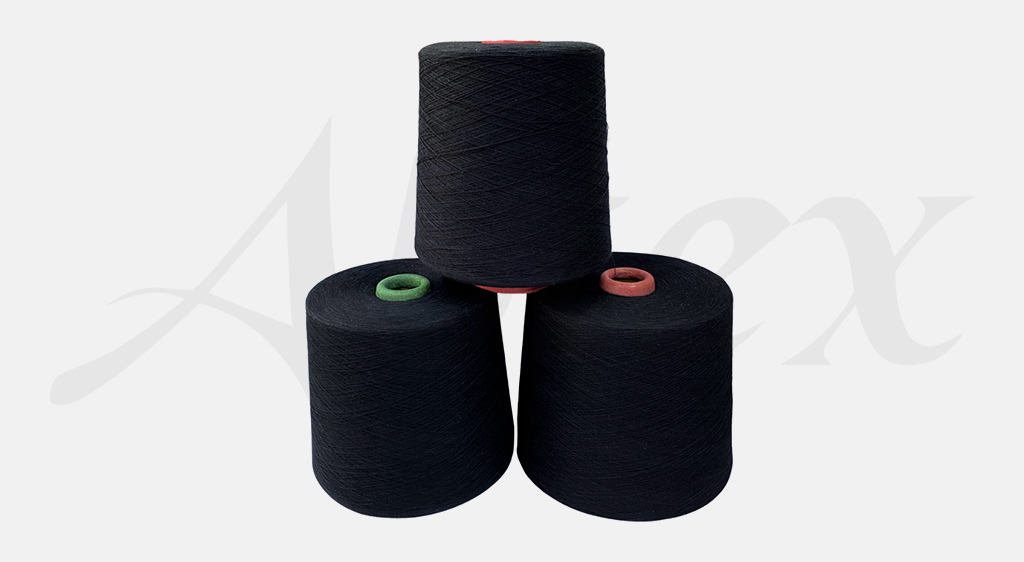
Black dyed yarn is widely used in sweaters, socks, jersey, weaving and home textiles because it supports a deep neutral shade, broad design compatibility and efficient solid-colour production. However, black yarn is not automatically durable or colourfast simply because it is black.
Commercial performance depends on fibre composition, yarn count, dye class, package density, fixation, washing-off, rubbing resistance, lot-to-lot control and compatibility with the intended machine and finished product.
Quick Answer: What Are the Advantages of Black Dyed Yarn?
The main advantages are deep neutral colour, compatibility with many product categories, strong contrast in multicolour designs, simplified solid-black production and good fastness potential when dyeing and washing-off are properly controlled. These benefits must be confirmed through the approved shade, physical yarn tests and relevant colourfastness methods.
Important: do not describe black yarn as fade-proof, bleed-proof or universally colourfast. State the dye route, test method, condition and achieved grade.
What Is Black Dyed Yarn?
Black dyed yarn is spun or filament yarn coloured to a black shade before it is knitted, woven or otherwise converted into fabric. It can be made from cotton, polyester, viscose, acrylic or blends, and the required dye system changes with fibre chemistry.
This guide focuses mainly on black dyed cotton yarn. Abtex’s product range uses ring-spun cotton with reactive or vat black dyeing, available in carded and combed qualities, single and two-ply construction and Ne 6s to Ne 40s counts, subject to final confirmation.
Black cone dyeing is different from fibre dyeing, fabric dyeing and garment dyeing. In cone dyeing, yarn is wound onto dye-compatible packages so liquor can circulate through the package. Package density and flow must be controlled to avoid inner-to-outer variation.
Six Commercial Advantages of Black Dyed Yarn
Black provides a strong base colour that works across fashion, uniforms, hosiery, home textiles and contrast constructions.
It can be used alone or combined with white, mélange and coloured yarns for stripes, jacquards, borders, ribs and engineered patterns.
Reactive or vat systems can deliver commercially suitable wash and rubbing performance when fixation, washing-off and testing are controlled.
Approved recipes, instrumental measurement and retained standards can support consistent repeat orders within an agreed tolerance.
Count, ply, preparation and dye route can be developed for sweaters, socks, jersey, weaving and selected home-textile applications.
Yarn dyeing allows black to be placed exactly within knitted or woven structures without dyeing the entire completed product.
What Determines Whether These Advantages Are Achieved?
Yarn Variables
- Fibre composition and cotton quality
- Carded or combed preparation
- Count, ply, twist and evenness
- Hairiness, strength and elongation
- Cone dimensions and winding tension
Dyehouse Variables
- Reactive or vat dye selection
- Package density and liquor flow
- Temperature, time and chemical dosing
- Fixation and washing-off efficiency
- Drying, conditioning and rewinding
For the complete product family, compare Abtex’s dyed yarn range, including custom cone-dyed cotton yarn and bleached-white cotton yarn.
Common Applications of Black Dyed Cotton Yarn
Two-ply counts for bodies, ribs, cables, jacquards and contrast trims.
Fine counts where shade, rubbing performance and machine runnability matter.
Solid black T-shirts, polos, base layers and related apparel fabrics.
Dark towels, bedsheets and home textiles subject to loom and fastness approval.
The correct yarn is determined by machine gauge, count, ply, stitch or weave, tension, target weight, hand feel and care conditions. A single black-yarn specification should not be assumed suitable for every end use.
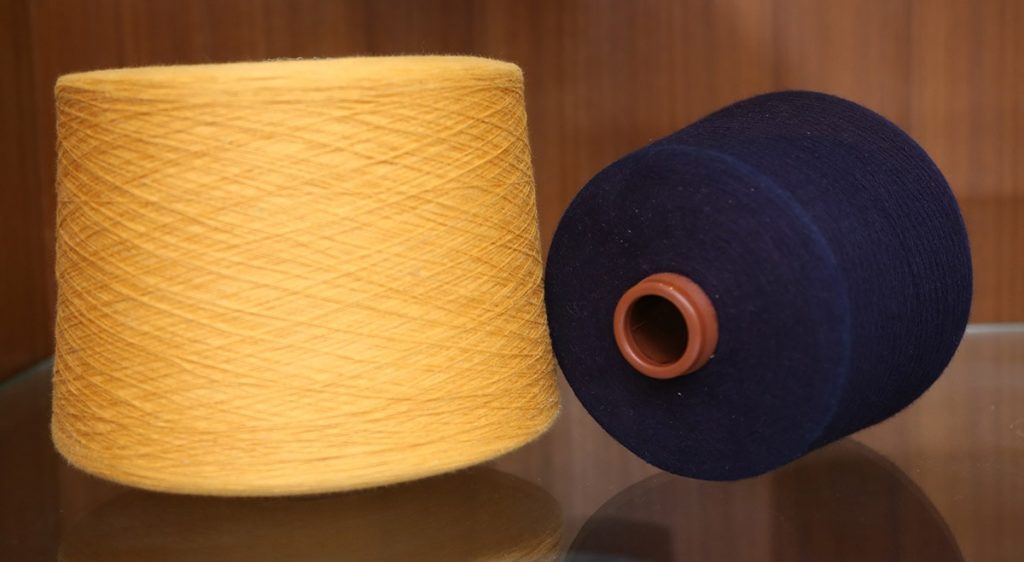
Reactive Black vs Vat Black Yarn
| Comparison area | Reactive black on cotton | Vat black on cotton |
|---|---|---|
| Typical use | Broad fashion, knitting and commercial cotton applications | Selected applications requiring a specialised fastness route |
| Colour mechanism | Dye forms a covalent bond with cellulose under controlled conditions | Reduced soluble dye penetrates fibre and is oxidised back to its insoluble form |
| Main control need | Fixation and thorough removal of unfixed surface dye | Reduction, oxidation, washing and process consistency |
| Shade development | Broad commercial shade capability | Depends on dye selection and required black tone |
| Buyer approval | Lab dip, bulk shade and wash/rub tests | Lab dip, bulk shade and agreed end-use fastness tests |
| Commercial decision | Choose for the required shade, price and performance | Choose only where its process and performance fit the specification |
Neither route should be called universally superior. The buyer should approve the black tone, undertone, fastness, handle, yarn strength and machine-running performance for the intended product.
How Black Dyed Cotton Yarn Is Produced
- Fibre SelectionChoose cotton quality suitable for the count, appearance and strength requirement.
- SpinningProduce carded or combed ring-spun yarn in the required count, twist and ply.
- Black DyeingPressure-dye prepared packages using the approved reactive or vat recipe.
- Dry and WindDry, condition and rewind at controlled tension onto production-ready cones.
- Test and PackCheck shade, fastness, count, cone weight and lot identity before export packing.
What Buyers Should Specify Before Ordering
- Fibre compositionExact cotton or blend percentage and any documented programme
- PreparationCarded or combed
- Count and plyNe count, single or two-ply and resultant count
- TwistLevel, direction and machine suitability
- Dye routeReactive or vat where commercially required
- Black standardApproved swatch, spectral reference and undertone
- FastnessMethod, condition and minimum grade
- Machine useGauge, loom or knitting system and yarn position
- PackageCone type, dimensions, weight and winding density
- QuantityRequired kilograms and lot planning
- PackingPP bags, cartons or pallets
- DeliveryDestination and Incoterm
When these requirements are available, buyers can request a black dyed yarn quotation before approving trial cones or lab dips.
Colourfastness and Quality Testing
Deep shades can show staining or crocking when fixation and washing-off are inadequate. The specification should therefore identify the relevant test, precise condition, substrate, assessment method and acceptance grade.
ISO 105-C06:2010 specifies methods for colourfastness to domestic and commercial laundering. The buyer should select the procedure that matches the intended care conditions.
ISO 105-X12:2016 covers resistance to colour rubbing off and staining other materials, with separate dry and wet rubbing options.
Depending on the end use, testing may include wash fastness, dry and wet rubbing, light fastness, perspiration, water, yarn count, twist, tensile properties, evenness, imperfections, hairiness and finished-product appearance.
Review Abtex’s yarn quality-control procedures for broader production and inspection context.
Common Black Dyed Yarn Problems and Prevention
Unfixed or poorly removed surface dye can transfer under wet rubbing. Control fixation, washing-off and the agreed rubbing grade.
Incorrect package density or liquor circulation can create uneven penetration. Approve package build and compare inner and outer layers.
Two blacks may appear similar under one light but differ under another. Approve the shade and undertone under agreed light sources.
Changes in recipe, fibre base, water, process or measurement can shift repeat orders. Retain standards and segregate dye lots.
Aggressive processing can affect yarn performance. Compare strength and elongation before and after dyeing where required.
Incorrect cone hardness, winding tension or package shape can cause machine stops despite acceptable shade and fastness.
How to Select a Black Dyed Yarn Supplier
- Clearly defined fibre, count, ply and spinning method
- Reactive or vat route matched to end use
- Lab-dip and black-undertone approval
- Instrumental and visual shade assessment
- Wash and dry/wet rubbing test capability
- Representative cones for machine trials
- Traceable lots and retained standards
- Controlled cone weight and package density
- Clear MOQ, lead time and packing
- Technical support for repeat orders and claims
A quotation containing only “black yarn,” count and price is not a complete technical offer. Confirm the complete specification and approval route before bulk production.
Conclusion
The advantages of black dyed yarn are strongest when colour depth, yarn construction, fastness and machine performance are controlled together. Black offers a versatile, commercially important colour platform, but the finished result depends on fibre, count, dye route, washing-off, package preparation and testing.
Approve a measurable shade standard, representative cones, relevant laboratory results and the intended knitted or woven trial before placing a bulk order.
Frequently Asked Questions
What are the main advantages of black dyed yarn?
It provides a deep neutral shade, design versatility, broad end-use potential and good fastness potential when the fibre, dye process, washing-off and testing are properly controlled.
Is black dyed yarn automatically colourfast?
No. Colourfastness depends on dye class, fixation, washing-off, fibre, process control and the test condition. Request results against an agreed method and grade.
What is the difference between reactive and vat black cotton yarn?
They use different dye chemistry and processing routes. Select between them according to shade, fastness, end use, cost and buyer requirements rather than assuming one is universally better.
Which counts are available from Abtex?
Abtex’s published black dyed cotton yarn range is Ne 6s to Ne 40s in single and two-ply constructions, with final availability confirmed against the enquiry.
Is black dyed cotton yarn suitable for sweaters and socks?
Yes, suitable counts can be developed for flat-bed sweater and circular sock machines. Share the gauge, count, ply, stitch, cone and fastness requirements before trial approval.
How should black shade consistency be approved?
Use an approved physical or spectral standard, controlled light sources, an agreed tolerance, bulk-lot assessment, retained standards and strict lot segregation.
What information is needed for a quotation?
Provide fibre, carded or combed quality, count, ply, black standard, dye or fastness requirement, quantity, cone details, end use, packing and destination.
Request Black Dyed Cotton Yarn Samples
Send Abtex your composition, carded or combed requirement, count, ply, black-shade standard, quantity, cone specification, fastness requirements, end use and destination.