
Textile Application Guide
Uses of Bleached White Yarn in Textile Production
See where bleached white cotton yarn is used, how count and ply affect the application, and what buyers should specify before ordering.
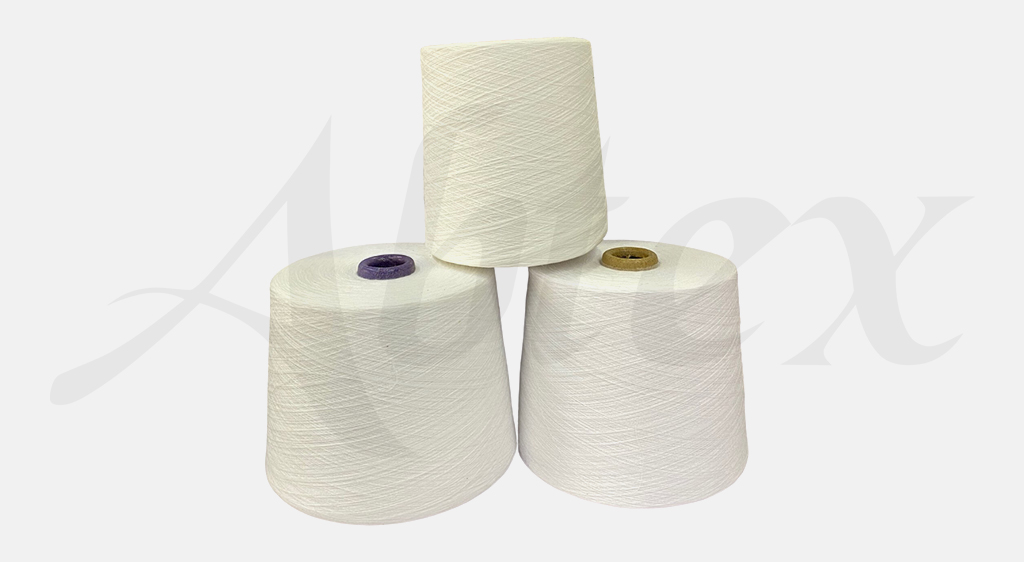
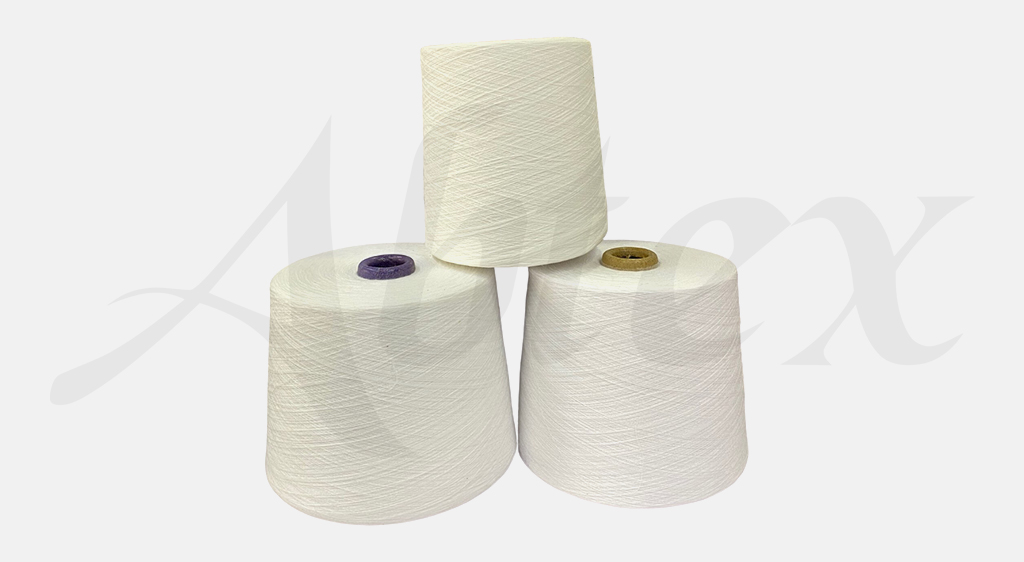
Bleached white cotton yarn is used in textile products that require a clean white appearance, improved absorbency or a controlled base for further dyeing and printing. Its applications range from towels and bedsheets to socks, T-shirts, sweaters and woven fabrics.
The most common uses are towels, bath linens, bedding, socks, hosiery, knitwear, sweaters, white woven fabrics and prepared bases for dyeing or printing. The correct yarn depends on fibre composition, carded or combed quality, count, ply, twist, whiteness, absorbency and the final fabric construction.
Why Is Bleached White Yarn Used in Textiles?
Bleaching removes or decolourises natural cotton pigments and, when combined with proper scouring, improves yarn cleanliness and wetting. The result is useful where the textile must remain white or where a more controlled substrate is required for a later colouration process.
For the manufacturing process, chemical controls and technical differences, read our guide: What is bleached white yarn?
1. Towels and Bath Textiles
Bleached white cotton yarn is widely used in terry towels, bath towels, hand towels, washcloths and bathrobes. Scouring improves wetting, while the white appearance suits hospitality, healthcare and household textile programmes.
Coarser and medium counts are commonly selected depending on whether the yarn is used in pile, ground or border construction. Twist, pile height, yarn bulk and finishing influence absorbency more than whiteness alone. Explore Abtex’s towel manufacturing range.
2. Bedsheets and Home Textiles
Bleached cotton yarn is used in white and light-coloured bedsheets, pillowcases, duvet covers, curtains and other home textiles. A clean, uniform base is important for optical-white products and for fabrics that will later be printed or dyed in light shades.
For bed linen and lighter woven constructions, combed yarn may be selected when buyers require a smoother surface and lower hairiness. See Abtex’s bedsheet range.
3. Socks and Hosiery
Combed bleached white yarn is used for white socks, sports socks, medical-style hosiery and as the white component in multicolour designs. Consistent whiteness helps maintain shade continuity across production lots.
Buyers should specify count, ply, twist, strength, elongation and knitting-machine requirements. Bleaching does not make a finished sock sterile or medically certified.
4. T-Shirts, Polo Shirts and Jersey Knits
Bleached yarn is suitable for white T-shirts, polo shirts, underwear, base layers and other circular-knitted products. It can also provide a controlled base when the yarn or fabric will undergo further printing or colouration.
Carded yarn offers an economical option for general casualwear, while combed yarn is chosen for a smoother hand, cleaner surface and lower hairiness. Browse Abtex’s knitted fabric range.
5. Sweaters and Flat-Knitted Products
Two-ply bleached yarn is commonly used in flat-bed and V-bed sweater knitting where additional strength and balanced construction are needed. White yarn can be used directly, combined with other colours or selected as a base for later dyeing.
The required count should be confirmed together with ply, twist direction, machine gauge, garment weight and target hand feel.
6. Woven Fabrics and Prepared-for-Dyeing Textiles
Bleached white yarn can be used as warp or weft in white fabrics, light-shade woven textiles and selected prepared-for-dyeing constructions. It is relevant to shirting, linings, pocketing, home textiles and utility fabrics where controlled whiteness or absorbency is required.
When the final fabric will be dyed, buyers should confirm whether yarn bleaching is necessary or whether a grey-yarn-to-PFD fabric route is more efficient.
7. Printing and Overdyeing Base
A properly prepared bleached yarn can support bright, pastel or light shades because much of the natural cotton colour has been removed. However, successful overdyeing requires controlled pH, residual peroxide, absorbency and finishing.
Optical brightening agents can influence colour measurement and shade development. If the yarn will be dyed again, buyers should state whether an OBA-free bleached base is required.
8. Medical, Hygiene and Cleaning Textiles
Bleached cotton yarn may be used in gauze, bandage substrates, wipes, cleaning cloths and other absorbent textile components. The final product must undergo its own testing and, where applicable, validated sterilisation and regulatory approval. Bleaching by itself does not make yarn sterile.
Application and Count Selection Guide
The ranges below are practical buyer references, not fixed rules. Final suitability depends on yarn construction, twist, machine, fabric weight and required performance.
| Application | Common Abtex range | Typical construction | Key buyer checks |
|---|---|---|---|
| Towels and bath textiles | Ne 6s–30s | Single or ply; carded or combed | Absorbency, bulk, twist, pile performance and whiteness |
| Sweater knitting | Ne 6/2–40/2 | Commonly 2 ply | Machine gauge, strength, twist balance and hand feel |
| Socks and hosiery | Ne 10s–30s | Often combed; single or ply | Evenness, elongation, abrasion and knitting performance |
| Jersey and knitwear | Ne 10s–40s | Carded or combed | Hairiness, pilling, hand feel, GSM and machine type |
| Weaving and home textiles | Ne 6s–40s | Single or ply | Warp/weft use, strength, sizing and fabric construction |
| Further dyeing or printing | Application dependent | OBA-free or approved finish | Residual peroxide, pH, absorbency and shade method |
Carded or Combed Bleached Yarn: Which Should You Use?
| Requirement | Carded bleached yarn | Combed bleached yarn |
|---|---|---|
| Surface | More natural and generally hairier | Smoother and generally lower in hairiness |
| Cost position | More economical for general applications | Higher due to the additional combing process |
| Common uses | Towels, casual knits, utility fabrics and general home textiles | Socks, premium knitwear, lighter bedding and smoother fabrics |
| Choose when | Practical cost and cotton character are priorities | Clean appearance, evenness and lower hairiness are priorities |
Review Abtex’s current 100% cotton carded yarn and 100% cotton combed yarn specifications when selecting the base yarn.
Advantages and Limitations
Uniform White Appearance
Suitable for white products and as a controlled base for light shades.
Improved Wetting
Scouring removes natural waxes, supporting absorbency and further wet processing.
Multiple End Uses
One yarn family can serve knitting, weaving, home textiles and further colouration.
Strength Requires Control
Bleaching does not inherently make yarn stronger. Excessive processing can damage fibres and reduce strength.
OBA Can Affect Shade
Optical brighteners may influence later dyeing and colour measurement.
Not Automatically Sterile
Medical or hygiene products require separate testing, sterilisation and compliance.
What Buyers Should Specify
- Fibre composition and cotton programme
- Carded or combed yarn quality
- Yarn count and tolerance
- Single, 2 ply or 3 ply construction
- Twist direction and twist level
- Whiteness or approved shade standard
- OBA-treated or OBA-free
- Residual peroxide and pH requirement
- Absorbency and wetting specification
- Knitting, weaving or dyeing end use
- Cone weight and packing method
- Quantity, destination and shipment terms
Related Abtex Yarn Products
Why Source Bleached White Yarn from Abtex?
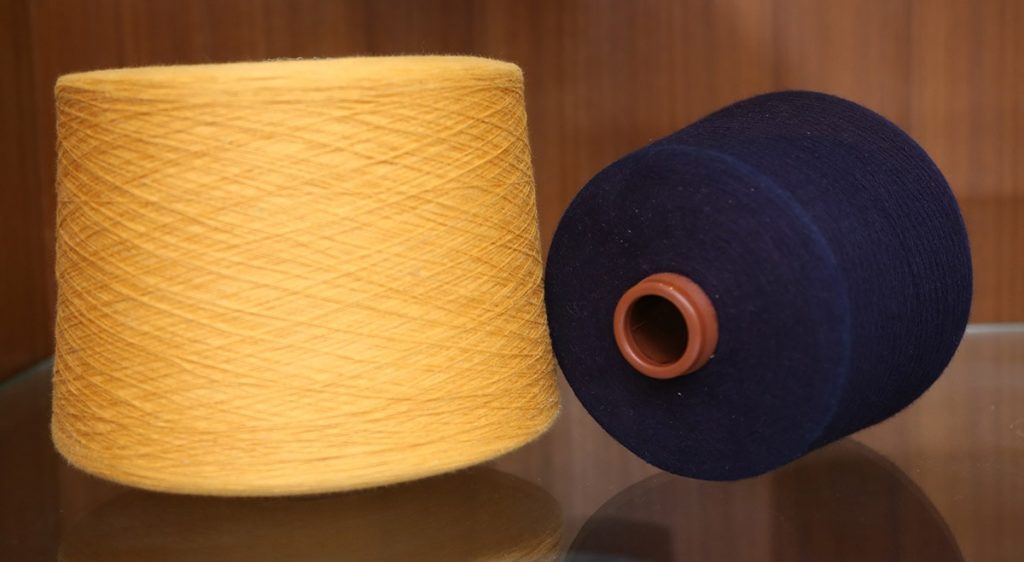
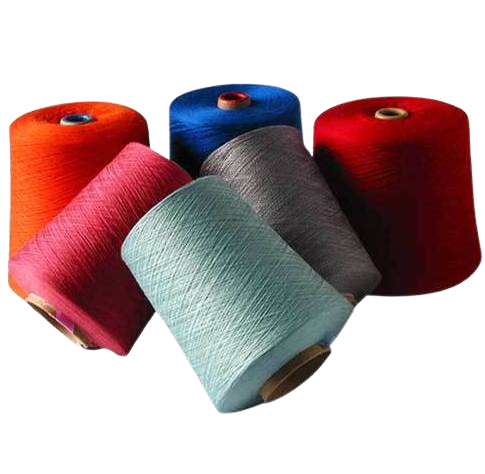
Abtex International supplies bleached white cotton yarn from Pakistan in Ne 6s to Ne 40s, carded and combed constructions, and 1 ply, 2 ply and 3 ply options. Buyers can also source dyed yarns, gassed mercerized yarn and other products from the complete yarn range.
Frequently Asked Questions
What are the main uses of bleached white yarn?
The main uses are towels, bath linens, bedding, socks, hosiery, knitwear, sweaters, woven fabrics and prepared bases for further dyeing or printing.
Which bleached yarn count is suitable for towels?
Abtex’s practical towel range is typically Ne 6s–30s, but the correct count depends on pile or ground use, fabric weight, twist, absorbency and loom or knitting requirements.
Is carded or combed bleached yarn better for socks?
Combed yarn is commonly selected for socks because it generally provides a smoother surface, lower hairiness and better evenness. Final selection depends on sock construction and price target.
Can bleached white yarn be dyed another colour?
Yes, if pH, residual peroxide, absorbency, OBA and finishing are compatible with the intended dyeing method. State that the yarn is for overdyeing when ordering.
Does bleaching make cotton yarn stronger?
No. Properly controlled bleaching aims to achieve whiteness while retaining acceptable strength. Excessive chemical exposure or processing can damage cotton fibres.
Is bleached yarn sterile?
No. Bleaching does not certify yarn or fabric as sterile. Medical and hygiene products require their own validated sterilisation, testing and regulatory compliance.
What count range does Abtex supply?
Abtex supplies bleached white cotton yarn from Ne 6s to Ne 40s in carded and combed constructions, with 1 ply, 2 ply and 3 ply options.
How can I request a quotation?
Provide the count, ply, carded or combed quality, whiteness standard, OBA requirement, application, quantity, packing and delivery destination through the Abtex contact page.
Source Bleached White Cotton Yarn from Pakistan
Send Abtex International your required count, ply, whiteness, end use, quality parameters, quantity, packing and delivery destination.