
How to Choose a Dyed Yarn Supplier for Sweaters
A practical guide for sweater manufacturers, knitting mills and textile buyers selecting fibre, count, ply, shade standards and production controls.
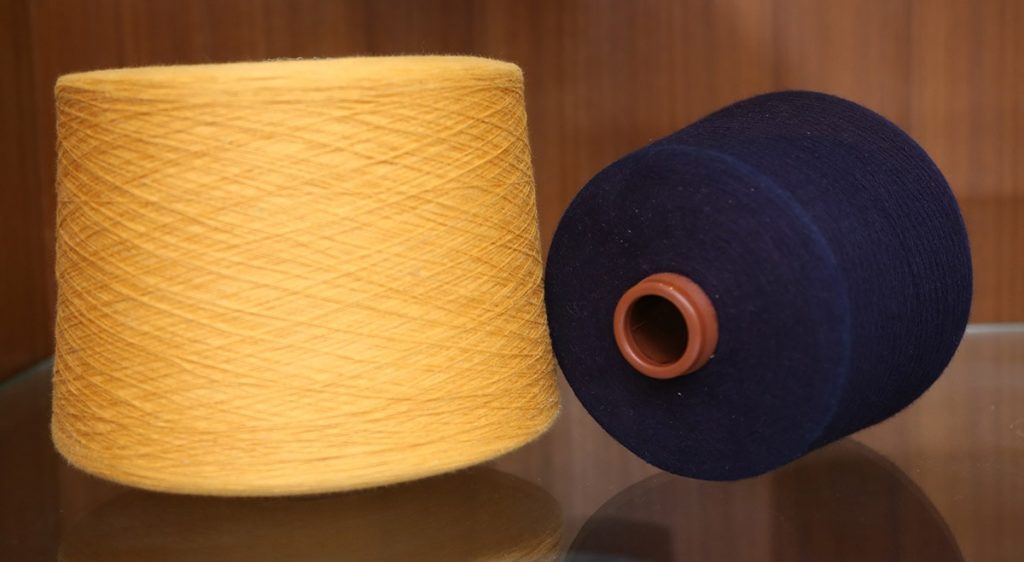
Choosing a reliable dyed yarn supplier for sweater manufacturing requires more than selecting a colour. Buyers must align fibre composition, yarn quality, count, ply, twist, machine gauge, shade approval, colour fastness and lot consistency with the intended garment.
The best dyed yarn for sweaters is the yarn that matches the knitting machine, garment construction and approved performance standard. Confirm the fibre, count, ply, colour reference, lab-dip tolerance, colour fastness, dye-lot control, MOQ and packing before placing a bulk order.
What Dyed Yarn Is Best for Sweater Manufacturing?
Cone-dyed cotton yarn is commonly selected for solid-colour sweaters because the yarn is coloured before knitting and supplied in a package suitable for production. Abtex offers carded and combed cotton yarn in single and ply constructions for sweater, knitting, sock and weaving applications.
Abtex’s current sweater range is Ne 6/2 to Ne 40/2, with Ne 20/2 and Ne 32/2 among the commonly requested counts. The correct count still depends on the machine gauge, stitch structure, target garment weight, required cover and desired hand feel. The knitting mill should approve a trial before bulk yarn is confirmed.
Buyer note: Yarn count alone does not determine the finished sweater. Ply, twist, fibre quality, knitting tension, stitch density and finishing also affect weight, appearance and performance.
Factors to Consider When Choosing a Dyed Yarn Supplier
A capable supplier should be able to discuss the technical and commercial requirements below. Buyers needing a broader procurement checklist can also review the dyed yarn sourcing guide.
Fiber Composition and Yarn Quality
Specify 100% cotton, organic cotton or the exact required blend before requesting a price or sample. Also state whether any fibre certification, restricted-substance standard or customer testing protocol applies.
Yarn evenness, strength, imperfections, hairiness and splice quality can affect knitting efficiency and the appearance of the finished sweater. These requirements should be agreed according to the intended count, construction and quality level.
Carded Versus Combed Yarn
| Consideration | Carded yarn | Combed yarn |
|---|---|---|
| Appearance | More natural and comparatively hairier | Cleaner and generally smoother |
| Evenness | Suitable where the specification permits more variation | Generally selected for improved evenness |
| Commercial direction | Usually more economical | Usually carries a premium due to additional processing |
| Selection | Choose according to garment appearance, price point, pilling target and an approved knitting trial. | |
Yarn Count and Ply for Sweater Knitting
Two-ply yarn is frequently selected for sweater knitting because plying can improve yarn balance, strength and running performance. Coarser counts may suit heavier or bulkier constructions, while finer counts may suit lighter or fine-gauge sweaters.
Ask the knitting mill to confirm the count, ply, twist and machine gauge together. A specification should not be copied from another sweater solely because the garments appear similar.
PANTONE Shade Matching and Lab-Dip Approval
Provide a PANTONE colour reference, physical swatch or approved master standard. Abtex can develop the shade against an approved lab dip and agreed tolerance. Screen colours should not be used as the sole standard because displays and lighting conditions vary.
For controlled programmes, define whether approval will be visual, instrumental or both. If spectrophotometer evaluation is required, agree the colour space, illuminant, instrument conditions and tolerance before bulk dyeing. Absolute “100% matching” should not be used as a commercial guarantee.
Color Fastness and Lot-to-Lot Consistency
State the required wash, dry and wet rubbing, perspiration and light-fastness grades according to the sweater’s destination, fibre composition and care instructions. The test method and acceptance grade should be written into the specification.
Shade variation, barré or streaking can come from cone-to-cone shade differences, mixed dye lots, variations in count or twist, uneven package density, raw-material differences or knitting-machine tension. Do not mix dye lots in one garment panel unless the result has been evaluated and approved.
MOQ, Lead Time and Export Packing
The current Abtex minimum order is 150 kg per shade or type. This replaces the older 4-bag or 180 kg statement. Confirm the MOQ again when requesting a quotation because a special count, fibre, ply or development requirement may affect commercial feasibility.
Abtex currently states an indicative lab-dip development time of five working days and bulk production of approximately four to six weeks. The confirmed order should also state cone weight, packing, shipping marks, pallet requirements, destination, Incoterm and required documents.
Why Source Dyed Yarn from Abtex International?
Abtex International (Pvt.) Ltd. is a Pakistan-based yarn manufacturer and exporter serving sweater manufacturers, knitting mills and textile buyers. We offer dyed cotton yarn in custom shades, carded and combed qualities, and single, 2-ply and 3-ply constructions for buyer-specific applications.
For standard solid-black programmes, buyers can review black dyed cotton yarn. For premium constructions requiring a smoother, cleaner or more lustrous surface, review gassed mercerized yarn. Product selection should be based on the required garment appearance, performance and approved sample.
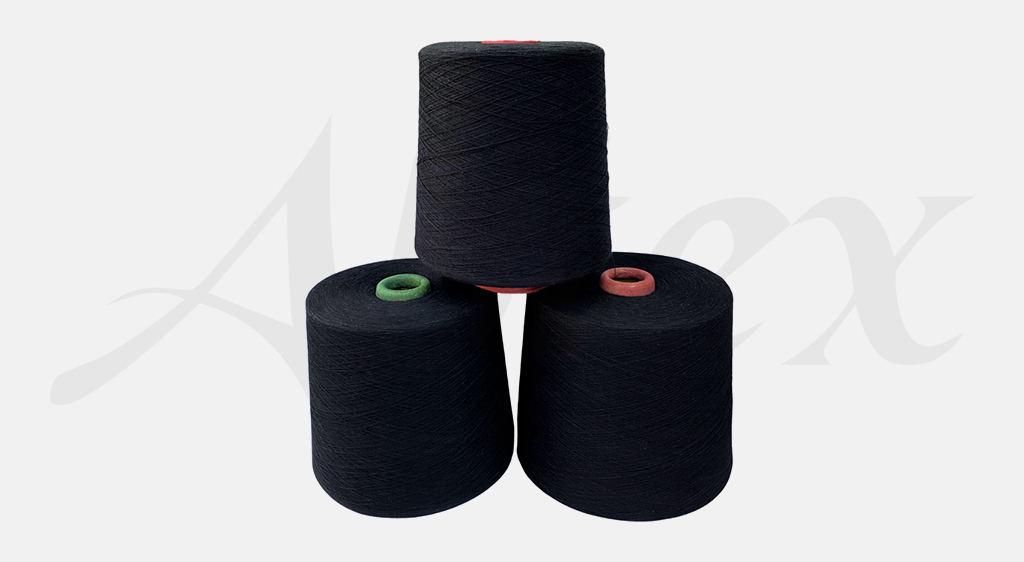
Solid-black cotton yarn for repeat knitting, weaving and textile programmes.
View black dyed yarn →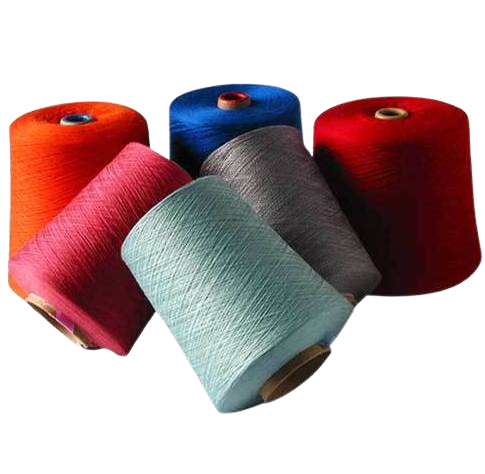
A specialty cotton-yarn option for a cleaner and more lustrous appearance.
View gassed mercerized yarn →Frequently Asked Questions
What yarn count is commonly used for cotton sweaters?
Abtex lists Ne 6/2 to Ne 40/2 for sweaters, with Ne 20/2 and Ne 32/2 commonly requested. The knitting mill should confirm the final count through a machine-gauge and fabric trial.
What is the current MOQ for custom dyed yarn?
The current stated MOQ is 150 kg per shade or type. Confirm this with the quotation because special fibres, counts or constructions may affect feasibility.
Can Abtex match a PANTONE colour reference?
Abtex can develop a shade against the buyer’s PANTONE colour reference or physical swatch. The buyer should approve a lab dip and agreed tolerance before bulk dyeing.
How can sweater manufacturers reduce barré or streaking?
Use identified yarn from the same dye lot within a garment colour, approve a knitting trial and control machine tension. If a problem appears, investigate shade, count, twist, package density, raw material and knitting conditions together.
Is combed yarn always better than carded yarn?
No. Combed yarn is generally cleaner and smoother, while carded yarn may suit a more natural appearance or different price point. Select according to the garment specification and approved trial.
What should buyers send when requesting a quotation?
Send fibre composition, count, ply, shade reference, quantity per shade, colour-fastness requirements, cone weight, packing, destination and required shipment date.
Contact us with your fibre, count, ply, PANTONE colour reference, quantity per shade, testing requirements, packing and destination for sampling and commercial review.
Contact Us