
What is Cotton Yarn? Carded vs Combed — Complete Guide
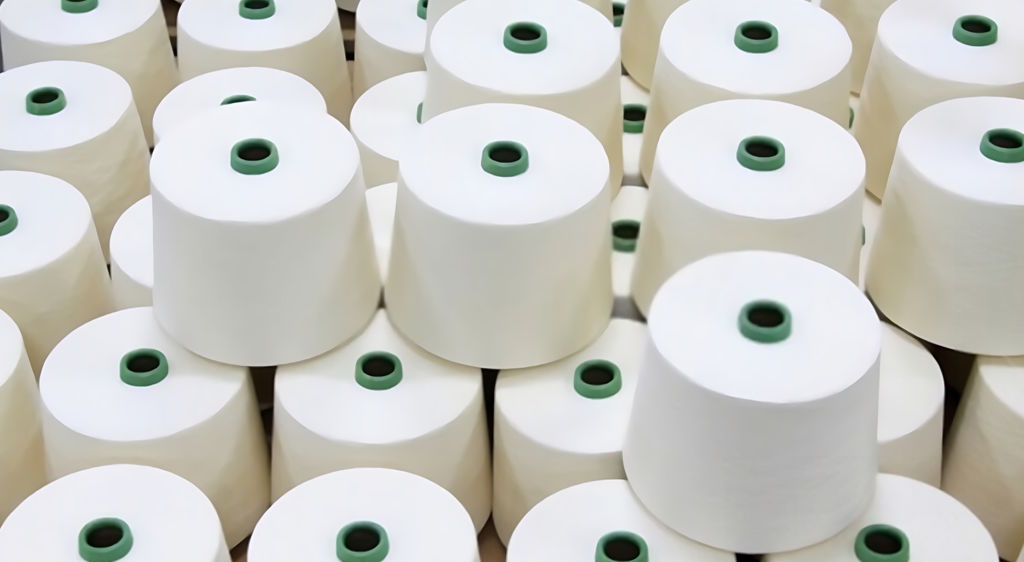
Cotton yarn is yarn spun from the natural fibres of the cotton plant (Gossypium). It is one of the oldest and most widely used textile raw materials in the world — valued for its softness, breathability, moisture absorption, and ease of dyeing. From T-shirts and towels to denim and canvas, cotton yarn forms the base of hundreds of fabric constructions used globally.
For textile buyers, yarn mills, and garment manufacturers, understanding the types of cotton yarn — and specifically the difference between carded and combed varieties — is essential before placing an order. Choosing the wrong type for your end use adds unnecessary cost or compromises fabric quality.
Key fact: Cotton yarn accounts for roughly 35–40% of total global fibre consumption. Pakistan is one of the world’s top cotton yarn producing and exporting countries, with a well-established spinning industry supplying buyers across Europe, Asia, and the Americas.
Properties of Cotton Yarn
Cotton yarn inherits its properties directly from the cotton fibre. The key characteristics that make cotton yarn so widely used across textile applications are:
- 💧 Absorbent — cotton naturally draws moisture away from the skin, making it ideal for towels, sportswear, and baby products.
- 🌬️ Breathable — the hollow structure of the cotton fibre allows air circulation, keeping fabric cool and comfortable.
- 🎨 Easy to dye — cotton accepts reactive and vat dyes well, giving rich, lasting colour across a wide shade palette.
- 🔁 Hypoallergenic — natural cotton has low irritation potential, making it suitable for sensitive skin and medical textile applications.
- ♻️ Biodegradable — cotton is a natural, renewable fibre that breaks down over time, unlike synthetic alternatives.
- 💪 Durable when wet — cotton actually gets slightly stronger when wet, which is important for towels and workwear fabrics.
Carded vs Combed Cotton Yarn — What’s the Difference?
The most important distinction for buyers sourcing cotton yarn is understanding the processing difference between carded and combed cotton yarn. Both start from the same raw cotton but go through different preparation steps before spinning — which results in different quality, feel, and cost.
Carded Cotton Yarn
In the carding process, raw cotton fibres are passed through a machine fitted with fine wire teeth that align the fibres in a roughly parallel direction and remove larger impurities such as seed coat, leaf fragments, and short fibre bundles. The result is a carded sliver — a continuous rope of aligned but not perfectly uniform fibres — which is then drawn and spun into yarn.
Carded cotton yarn contains some shorter fibres and minor surface irregularities. It has a slightly hairier surface and slightly lower tensile strength compared to combed yarn at the same count. However, it is more economical to produce and perfectly suited for applications where super-fine surface quality is not critical — such as denim, canvas, workwear, and heavy knits.
Combed Cotton Yarn
Combed cotton yarn undergoes an additional processing step after carding — combing. In this step, short fibres (noils) below a certain length threshold are removed, and the remaining long fibres are further straightened and parallelised. The result is a cleaner, more uniform sliver that produces a finer, smoother, stronger yarn.
Combed yarn is used where the end fabric needs a smooth surface, high tensile strength, and good appearance — such as fine T-shirts, dress shirts, premium knitwear, and high-quality home textiles. The additional processing step increases cost, but the quality difference is clearly visible in the final fabric.
| Property | Carded Cotton Yarn | Combed Cotton Yarn |
|---|---|---|
| Processing | Carding only | Carding + Combing |
| Fibre uniformity | Moderate | High — short fibres removed |
| Yarn surface | Slightly hairy | Smooth, clean |
| Strength | Good | Higher tensile strength |
| Cost | More economical | Higher (extra process) |
| Best count range | Coarser counts (Ne 4s–30s) | Finer counts (Ne 20s–80s) |
| Typical end uses | Denim, canvas, workwear, heavy knits | T-shirts, shirting, premium knitwear |
What is Cotton Yarn Used For?
Cotton yarn is used across virtually every segment of the textile industry. The specific type — carded or combed — determines which applications it suits best.
Common Applications
- T-shirts & Casualwear
- Denim & Bottom Weight Fabrics
- Workwear & Uniforms
- Terry Towels & Bath Textiles
- Canvas & Industrial Fabrics
- Knitwear & Sweaters
- Bedsheets & Home Textiles
- Socks & Hosiery
- Woven Shirting Fabric
- Baby Garments & Medical Textiles
How to Choose Between Carded and Combed Cotton Yarn
The decision comes down to three factors: end use, count requirement, and budget.
If your fabric is a heavy, durable construction — denim, canvas, heavy jersey, workwear — choose carded cotton yarn. The slightly lower surface regularity will not be visible in the finished fabric, and the cost saving over combed can be significant at commercial quantities.
If your fabric is a fine, smooth, high-quality construction — premium T-shirts, dress shirts, fine knitwear, luxury home textiles — choose combed cotton yarn. The combing process removes short fibres that would otherwise appear as surface pilling or reduce fabric smoothness after washing.
Rule of thumb: For counts coarser than Ne 30s, carded is usually sufficient. For counts finer than Ne 30s — especially Ne 40s and above — combed is recommended to achieve the yarn evenness required for fine, high-quality fabric construction.
Cotton Yarn from Abtex International
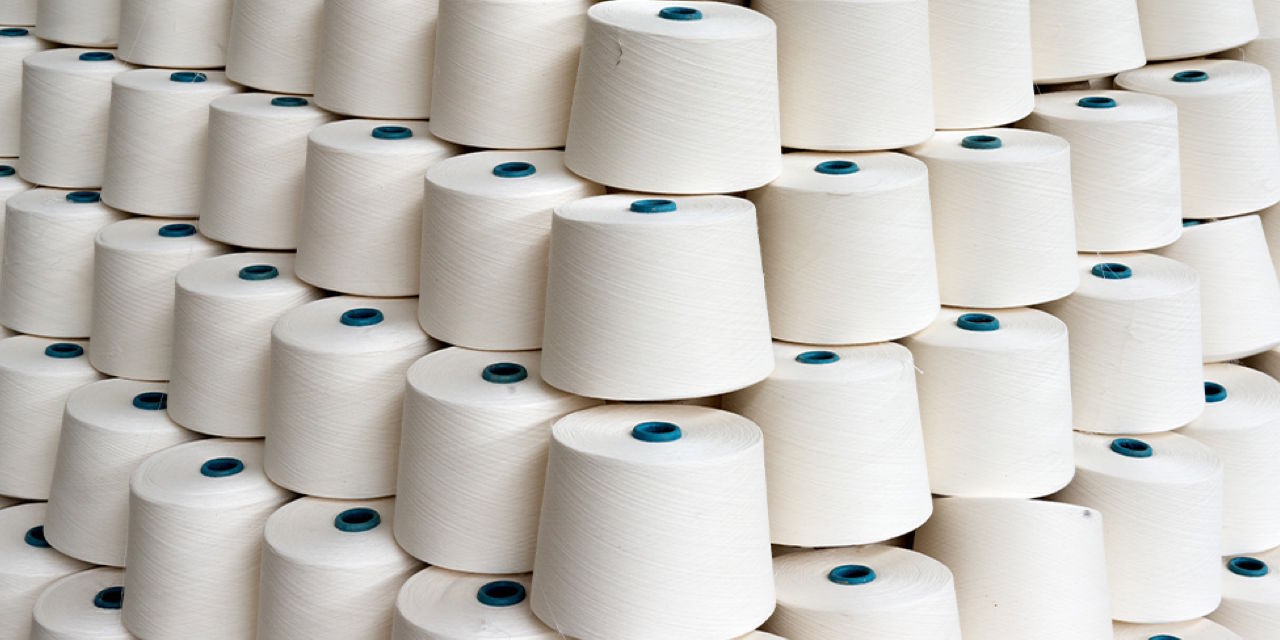
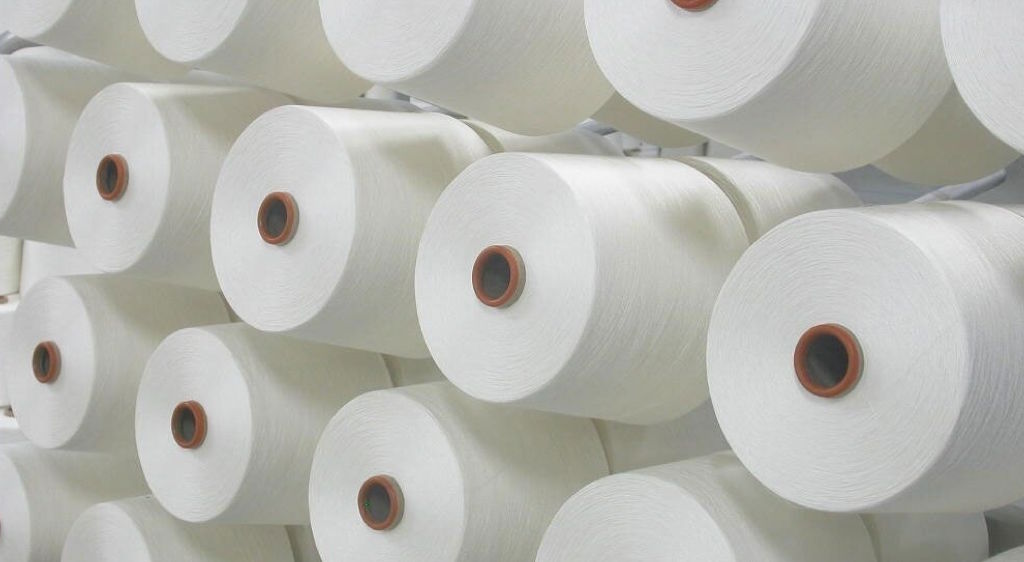
Abtex International supplies 100% cotton yarn in both carded and combed varieties from our Hyderabad, Pakistan facility — dispatched FOB Karachi with full export documentation.
Why Source Cotton Yarn from Pakistan?
Pakistan is one of the world’s top five cotton-producing countries and has a large, vertically capable textile industry — from ginning and spinning through weaving, dyeing, and finished garment export. This makes Pakistan a competitive sourcing destination for cotton yarn buyers globally, offering:
- Competitive pricing on bulk quantities
- Wide count range (Ne 4s to Ne 80s+)
- GRS, Oeko-Tex & BCI certified options
- FOB Karachi export documentation
- Air & sea freight dispatch
- OEM & custom development support
Frequently Asked Questions — Cotton Yarn
What is cotton yarn?
Cotton yarn is yarn spun from the natural fibres of the cotton plant. It is soft, breathable, absorbent, and easy to dye — making it one of the most widely used yarn types in global textile manufacturing.
What is the difference between carded and combed cotton yarn?
Carded yarn is produced by carding only — removing larger impurities and aligning fibres roughly. Combed yarn goes through an additional combing step that removes short fibres, producing a finer, smoother, stronger yarn. Combed costs more but is used in higher-quality fabrics.
Which is better — carded or combed cotton yarn?
Neither is universally better. Combed is better for fine, smooth, high-quality fabrics. Carded is preferred for heavy, coarse constructions where cost efficiency matters more than ultra-fine surface quality.
Is cotton yarn breathable?
Yes. Cotton is a natural fibre with inherent breathability and moisture absorption. These properties make cotton yarn and cotton fabrics comfortable for apparel, towels, bedding, and home textiles.
Can cotton yarn be blended with polyester?
Yes. Cotton is frequently blended with polyester to create PC or CVC blended yarns. Polyester adds durability and wrinkle resistance while cotton retains softness and breathability in the blend.
What count range is available in cotton yarn from Pakistan?
Pakistan’s spinning industry covers Ne 4s–10s for canvas and heavy fabrics, Ne 20s–30s for workwear and denim, up to Ne 40s–80s for fine T-shirts and shirting. Abtex International supplies carded and combed cotton yarn from Hyderabad, Pakistan — contact the team with your specific count requirement.
Is cotton yarn breathable?
Yes. Cotton has a hollow fibre structure that allows air circulation and moisture absorption — retained in cotton yarn and finished fabric. Cotton is more breathable than polyester, making it ideal for apparel, towels, bedding, and home textiles, especially in warm climates.
Can cotton yarn be blended with polyester?
Yes. Cotton blended with polyester improves durability and wrinkle resistance while retaining some cotton softness. When cotton exceeds 50% it is called CVC (Chief Value Cotton); when polyester exceeds 50% it is called PC (Polyester Chief Value). Poly-cotton blends are widely used in workwear, uniforms, and mid-range knitwear.
What is Ne count in cotton yarn?
Ne (Number English) measures yarn fineness — it counts how many 840-yard lengths of yarn weigh one pound. A higher Ne number means a finer yarn. Ne 10s is coarse (canvas, heavy knits); Ne 40s is fine (T-shirts, shirting). Ne count directly affects fabric weight, softness, and application suitability.
What is ring spun cotton yarn?
Ring spun cotton yarn is made using the traditional ring spinning method where fibres are continuously twisted from the fibre mass to the package. Ring spun yarn is stronger, smoother, and finer than open end (rotor) spun yarn at the same count — preferred for combed cotton and fine counts in premium apparel. Open end spinning is used for coarser counts in heavy fabrics.
How is cotton yarn made?
Cotton yarn is made through several steps: (1) Ginning — seeds and debris removed from raw cotton. (2) Blowroom — cotton opened and cleaned. (3) Carding — fibres aligned, impurities removed to form a sliver. (4) Combing (optional) — short fibres removed for combed yarn. (5) Drawing — slivers combined for uniformity. (6) Roving — sliver drafted thinner. (7) Spinning — twisted into yarn on ring or rotor machines. (8) Winding — wound onto cones for dispatch.
Where is cotton yarn manufactured in Pakistan?
Pakistan has major spinning clusters in Punjab (Faisalabad, Lahore, Multan) and Sindh (Hyderabad, Karachi). Pakistan is one of the world’s top cotton yarn exporters. Abtex International is a cotton yarn manufacturer based in Hyderabad, Pakistan — dispatching FOB Karachi to buyers across Europe, Asia, and the Americas.
Need Carded or Combed Cotton Yarn?
Share your count, quantity, and end use — we respond within 48 hours with pricing and sample availability.