
What Is PFD Fabric?
A beginner-friendly guide to Prepared for Dyeing fabric, its wet-processing sequence, differences from grey and bleached fabric, and the specifications buyers should confirm.
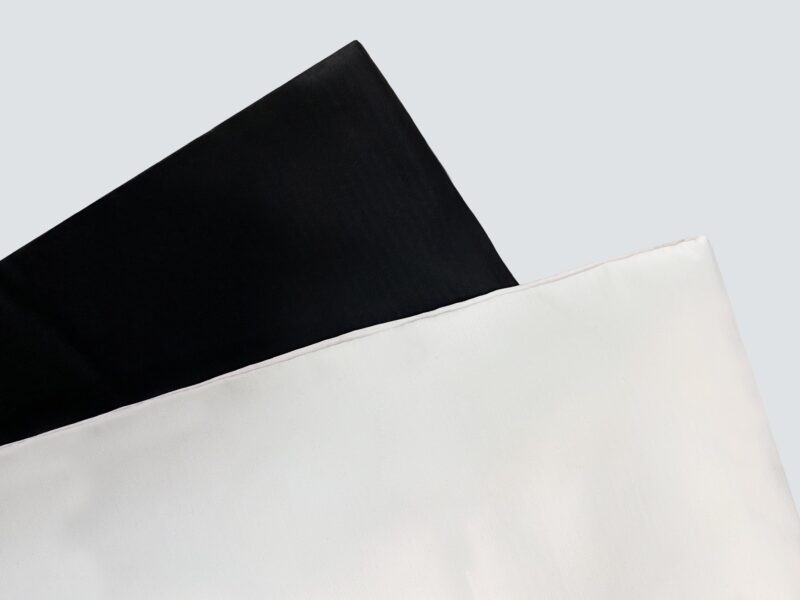
PFD fabric means Prepared for Dyeing fabric. It is grey or loom-state fabric that has undergone controlled preparation to remove size, natural waxes, oils, dirt and other substances that can interfere with wetting and dye uptake.
Depending on the fibre, construction, target shade and supplier specification, preparation may include singeing, desizing, scouring, bleaching, washing, neutralisation and controlled drying. A PFD label alone does not confirm composition, whiteness, absorbency, shrinkage, width, residual chemicals or dyeing performance.
Quick Answer: What Is PFD Fabric?
PFD fabric is fabric that has been cleaned and prepared so it can accept dye more evenly. Sizing, waxes, oils and processing residues are removed, and the fabric may be bleached to an agreed base. Optical brighteners, softeners, resins or water-repellent finishes that could interfere with later colouration should not be added unless the buyer specifically approves them.
What Does PFD Fabric Mean?
PFD describes the fabric’s state of preparation, not its weave or fibre. PFD fabric can be made from 100% cotton, polyester-cotton, CVC, cotton-elastane or other compositions, provided the preparation route is compatible with the fibre and intended dye system.
The process normally begins with grey fabric. Grey fabric still contains natural cotton waxes, weaving size and production residues. These materials can slow wetting, create patchy dye uptake or interfere with shade development unless removed or controlled.
For Abtex’s commercial constructions and availability, see the main PFD fabric supplier page.
Technical clarification: PFD fabric is not automatically “unbleached,” “white,” “pre-shrunk” or “ready for every dye.” Buyers must specify the required base shade, absorbency, residual chemistry, dimensional stability and downstream process.
How Is PFD Fabric Prepared?
- Inspection and SingeingInspect the grey fabric and remove protruding fibres when the intended surface requires singeing.
- DesizingRemove or break down warp size so water and chemicals can penetrate the fabric consistently.
- ScouringRemove natural waxes, oils, dirt and processing residues to improve wetting and absorbency.
- Bleaching and WashingDevelop an agreed clean base where required, then wash and neutralise residual chemicals.
- Drying and InspectionDry in controlled width and tension, then inspect absorbency, appearance, width and other agreed parameters.
The exact route changes with fibre composition and downstream colouration. Cotton preparation may require desizing, scouring and peroxide bleaching, while polyester-containing blends need conditions that protect both components and support the intended dye route.
PFD Fabric vs Grey, Bleached and Dyed Fabric
| Fabric state | Typical condition | Main purpose | Buyer concern |
|---|---|---|---|
| Grey fabric | Loom-state fabric containing size, waxes and process residues | Base for later wet processing | Not assumed ready for consistent dyeing |
| PFD fabric | Desized, scoured and prepared; bleaching according to specification | Piece dyeing or other approved colouration | Absorbency, base shade, residual chemistry and shrinkage |
| Bleached white fabric | Processed to an agreed white, sometimes with optical brightener | White finished products or selected downstream use | Whiteness, yellowing and compatibility with later dyeing |
| Dyed fabric | Colour already applied and fixed | Solid-colour garment or textile production | Shade, fastness, shrinkage and finishing |
| Printed fabric | Patterns or motifs applied by an approved printing method | Designed surfaces and multicolour products | Print definition, penetration, fastness and registration |
Buyers can compare Abtex’s dyed fabric and printed fabric ranges when the material should arrive already coloured or printed.
PFD, PFGD and PFP: What Is the Difference?
PFD
Prepared for Dyeing. Fabric is prepared for a later piece-dyeing route. The required absorbency, base colour and dimensional condition should be specified.
PFGD
Prepared for Garment Dyeing. Fabric or garment construction must consider sewing thread, trims, shrinkage and the stresses of garment wet processing.
PFP
Prepared for Printing. Fabric is prepared for the chosen rotary, flatbed, digital or other printing route, with surface and absorbency controlled for print quality.
These terms are not used identically by every supplier. The purchase order should state the downstream process and measurable requirements rather than relying on the abbreviation alone.
Common Uses of PFD Fabric
Shirts and Dresses
Prepared bases for solid-colour poplin, plain weave, twill and stretch garments.
Work and Institutional Wear
Consistent bases for repeat shades subject to performance and fastness approval.
Cut-and-Sew Products
PFGD constructions where fabric, thread and trims are compatible with garment processing.
Rotary, Flatbed and Digital
PFP bases developed for controlled wetting, surface quality and print definition.
Bedding and Utility Products
Prepared woven constructions for later dyeing, printing or coordinated colour programmes.
Custom Constructions
Plain, twill, poplin, canvas and other bases developed to buyer specifications.
For a specific lightweight construction, see the guide to dyed poplin fabric and how its preparation, dyeing and finishing affect the final product.
What Buyers Should Specify Before Ordering
- CompositionExact cotton, PC, CVC, stretch or other fibre percentage.
- ConstructionYarn counts and ends/picks or thread density.
- WeavePlain, poplin, twill, satin, Oxford, canvas or another structure.
- GSMRequired finished weight and tolerance.
- WidthRequired usable or finished width and tolerance.
- Preparation routePFD, PFGD or PFP and intended downstream process.
- Base shadeNatural, clean bleached base or measured whiteness requirement.
- Optical brightenerState whether OBA is prohibited, permitted or required.
- AbsorbencyTest method and acceptance requirement.
- Residual chemistryRequired pH, peroxide or other agreed limits.
- ShrinkageTest method, wash condition and maximum tolerance.
- Surface conditionSingeing, hairiness, bow, skew and crease expectations.
- TestingPhysical, chemical and colouration-trial requirements.
- QuantityMetres or kilograms, lot planning and sampling.
- Packing and deliveryRoll or bale, destination, schedule and Incoterm.
Abtex’s published product range includes 100% cotton, PC, CVC and cotton-elastane options, approximately 80–450+ GSM, common widths from 44/45 to 72 inches and custom constructions, all subject to enquiry confirmation.
Testing and Common PFD Fabric Problems
A PFD fabric inspection should confirm the fabric is suitable for the buyer’s actual dyeing or printing route. Representative lab dyeing is often more meaningful than judging appearance alone.
- Fibre composition and construction
- GSM and finished width
- Absorbency and wetting consistency
- pH and residual peroxide where applicable
- Whiteness or base-shade consistency
- Dimensional stability after the agreed process
- Tensile or tear properties where required
- Bow, skew, creases and surface appearance
- Lab-dye uniformity and shade development
- Roll identification and lot traceability
Can result from incomplete desizing, uneven scouring, wax or oil contamination, variable absorbency or incorrect dyeing conditions.
May reflect inconsistent preparation, base whiteness, fibre blend, residual chemistry or mixed fabric lots.
PFD does not automatically mean pre-shrunk. Define the test method, downstream process and maximum tolerance.
Optical brightener and bleaching conditions can influence light shades or later colour matching. State the requirement clearly.
Wet processing, drying tension and finishing can alter width and weight. Specify whether values apply before or after downstream processing.
Review Abtex’s fabric quality-control procedures for broader inspection and production context.
Why Source PFD Fabric from Abtex International?
Abtex International supplies PFD fabric from Pakistan for dye houses, garment manufacturers, fabric traders and textile buyers. Available options include PFD, PFGD and PFP preparation in multiple compositions, constructions, GSM levels and widths.
Before bulk production, buyers should confirm the technical specification, review a representative sample and conduct a lab dyeing or printing trial using the intended downstream method.
Once the specification is ready, buyers can request a PFD fabric quotation and compare offers on an equivalent technical basis.
Conclusion
PFD fabric is a prepared substrate designed to support more consistent later dyeing. Its quality depends on the starting grey fabric, fibre composition, desizing, scouring, bleaching where required, washing, neutralisation, drying and inspection.
Buyers should define the intended dyeing or printing route and measurable requirements for absorbency, base shade, residual chemistry, shrinkage, width, GSM and physical performance before approving bulk fabric.
Frequently Asked Questions
What does PFD fabric mean?
PFD means Prepared for Dyeing. It describes fabric processed to remove size, waxes, oils and other materials that could interfere with later dyeing.
Is PFD fabric always white?
No. The base can range from natural off-white to a cleaner bleached appearance depending on the specification. PFD should not automatically contain optical brightener.
Is PFD fabric the same as grey fabric?
No. Grey fabric is loom-state material that usually still contains size and natural impurities. PFD has undergone preparation for later colouration.
Is PFD fabric pre-shrunk?
Not necessarily. Dimensional stability depends on construction and processing. Buyers should specify the required test method and shrinkage tolerance.
What is the difference between PFD and PFGD?
PFD is normally prepared for piece dyeing. PFGD is prepared for garment dyeing and must consider garment construction, sewing thread, trims and process shrinkage.
Can PFD fabric be printed?
Some PFD fabric can be printed, but PFP fabric is specifically prepared for printing. The correct surface, absorbency and preparation depend on the printing method and ink or colourant system.
What information is needed for a quotation?
Provide composition, construction, weave, GSM, width, PFD/PFGD/PFP route, downstream process, base shade, absorbency, shrinkage, testing, quantity, packing and destination.
Request PFD Fabric Samples and Pricing
Send Abtex your composition, construction, weave, GSM, width, preparation route, downstream dyeing or printing process, testing requirements, quantity, packing and destination.