
Benefits of 100% Cotton Combed Yarn in Textile Manufacturing
Understand how combing affects yarn cleanliness, uniformity, hairiness, strength potential, fabric appearance and end-use suitability before selecting a cotton-yarn specification.
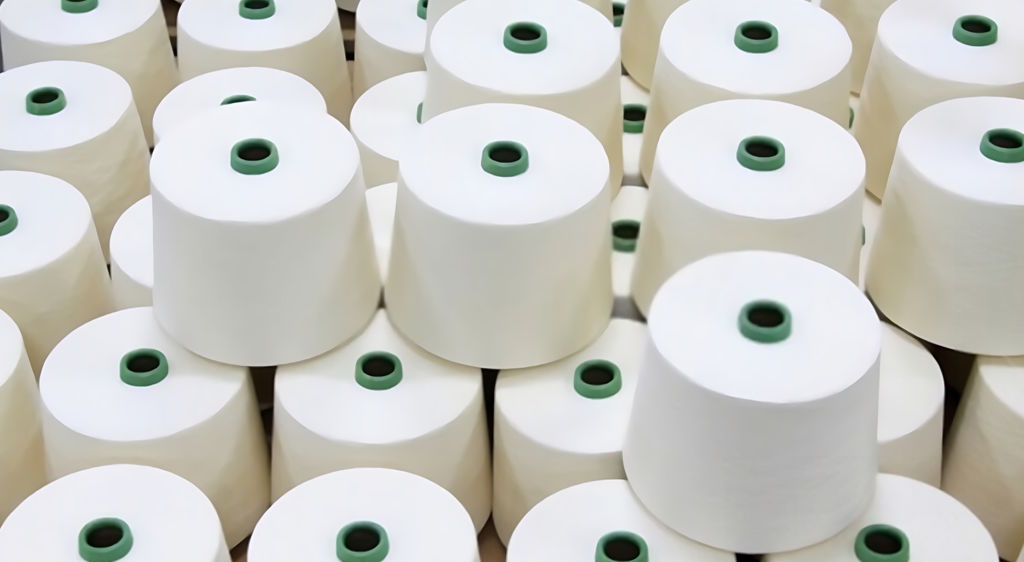
100% cotton combed yarn is produced by adding a combing stage to cotton preparation so that a controlled proportion of short fibres, neps and remaining impurities is removed before spinning. The resulting fibre strand is generally cleaner and more parallel, allowing the spinner to produce yarn with a smoother surface and more uniform appearance than an equivalent carded yarn.
These benefits are not automatic guarantees. Final performance still depends on cotton quality, noil extraction, yarn count, twist, spinning control, winding, dyeing or finishing, fabric construction and the buyer’s test requirements.
Quick Answer: What Are the Benefits of 100% Cotton Combed Yarn?
Compared with a broadly equivalent carded yarn, combed cotton yarn generally offers a cleaner surface, lower hairiness, improved uniformity, clearer stitch or weave definition, lower lint potential and better suitability for fine or premium textile constructions. The exact improvement must be evaluated against the approved yarn and finished-fabric specification.
What Is 100% Cotton Combed Yarn?
Combed cotton yarn is cotton yarn made from fibre that passes through carding and an additional combing operation before roving and spinning. Carding opens and cleans the cotton while arranging fibres into a sliver. Combing then removes a controlled amount of short fibre and helps improve fibre alignment.
The phrase 100% cotton describes fibre composition. The phrase combed describes fibre preparation. Neither phrase by itself confirms the yarn count, ply, twist, strength, evenness, contamination level, certification or suitability for a particular machine.
Buyers looking for Abtex’s commercial range can review the 100% cotton combed yarn product page.
How Combed Cotton Yarn Is Made
- Opening and CleaningCotton bales are blended, opened and cleaned according to the required fibre mix and spinning plan.
- CardingFibres are further opened and cleaned before being formed into a more consistent card sliver.
- Combing PreparationSlivers are prepared into a lap suitable for controlled feeding through the comber.
- CombingShort fibres, neps and remaining impurities are removed while longer fibres are better aligned.
- Drawing and SpinningThe combed sliver is drawn, converted to roving and spun to the required count and twist, then wound or plied as specified.
Noil extraction affects both quality and cost. A higher removal level can improve fibre selection, but it also reduces material yield. Buyers should compare measurable yarn and fabric performance instead of assuming that the word “combed” defines one universal quality grade.
Six Main Benefits of Combed Cotton Yarn
Smoother Surface
Better fibre alignment and fewer protruding short fibres can create a cleaner yarn surface and a smoother-looking knitted or woven fabric.
Lower Hairiness
Combed yarn generally has lower hairiness than a comparable carded yarn, helping reduce fuzz and supporting clearer fabric definition.
Improved Uniformity
More consistent fibre preparation can support better yarn evenness and fewer visible irregularities, subject to spinning and winding control.
Strength Potential
Using a more parallel, longer-fibre assembly can improve yarn-strength potential and downstream running performance at an appropriate twist.
Clearer Construction
Lower surface fuzz helps reveal knitted stitches, ribs, cables, jacquards and woven details more clearly in suitable constructions.
Lower Lint Potential
Removing more short fibre can reduce loose-fibre and lint potential during conversion and use, although the final result also depends on processing and fabric finish.
Combed Cotton Yarn vs Carded Cotton Yarn
| Comparison area | Combed cotton yarn | Carded cotton yarn |
|---|---|---|
| Fibre preparation | Carded and then combed to remove more short fibre and improve alignment | Carded without the additional combing stage |
| Surface character | Generally smoother and cleaner | Generally hairier and more natural or fuller in appearance |
| Evenness potential | Typically selected where better uniformity is required | Can meet many standard textile requirements at a more economical level |
| Lint and pilling potential | Usually lower when yarn, fabric and finishing are properly controlled | May show more loose fibre or surface fuzz in comparable constructions |
| Fine-count suitability | Commonly preferred for finer counts and cleaner premium fabrics | Commonly used in medium or coarser, casual and cost-sensitive products |
| Cost direction | Higher due to additional processing and fibre removal | Usually more economical because material yield is higher |
| Best choice | When smoothness, definition and lower hairiness justify the premium | When fuller character, economy or the end use does not require combed quality |
Neither option is universally better. Compare the 100% cotton carded yarn range and read how carded yarn is used in textile production before deciding which preparation fits the product and price point.
Common Textile Applications of Combed Cotton Yarn
T-shirts and Jersey
A cleaner yarn surface can support smooth single jersey, interlock, rib and other knitted fabrics with clearer stitch definition.
Sweaters and Knitwear
Single or plied counts may be selected for sweaters, ribs, cables, collars and trims according to machine gauge and garment weight.
Socks
Combed cotton is frequently selected where cleanliness, evenness, comfort and knitting-machine performance are important.
Shirting and Apparel
Fine, cleaner yarn can be used in woven apparel where surface appearance, handle and construction definition matter.
Bedding and Towels
Combed yarn may be specified for selected bed-linen and terry constructions requiring a smoother or more refined quality level.
Dyed Yarn Products
Combed yarn can be supplied in custom colours for sweaters, socks, knitting and weaving; review Abtex’s dyed yarn options.
Does Combed Cotton Automatically Prevent Pilling?
No. Combing can lower the amount of short fibre and reduce hairiness, which may help reduce pilling potential in a comparable construction. However, pilling also depends on yarn twist, fabric structure, stitch length or thread density, abrasion, finishing, washing and the presence of stronger blended fibres that can retain pills.
Buyers should define the finished-product pilling method and acceptance grade, then test representative fabric rather than relying on the yarn description alone.
Combed Yarn vs Gassed Mercerized Yarn
Combing, gassing and mercerizing are different processes. Combing improves fibre selection and alignment before spinning. Gassing removes protruding surface fibres from a spun yarn, while mercerizing treats cotton under controlled tension to modify lustre, dimensional behaviour and dye response.
Where a cleaner, more lustrous speciality appearance is required, compare the standard combed construction with Abtex’s gassed mercerized cotton yarn. The correct choice depends on appearance, end use, processing route and commercial target.
What Buyers Should Specify Before Ordering
- Fibre compositionConfirm 100% cotton and any required cotton programme or certification.
- PreparationState combed quality and any measurable quality expectations.
- Yarn countSpecify the required Ne count and permitted tolerance.
- Ply constructionSingle, two-ply, three-ply or another resultant count.
- TwistTwist level and direction when critical to the end use.
- StrengthRequired tenacity, breaking force, elongation or CSP where applicable.
- EvennessRequired U%, CVm%, imperfections and hairiness where controlled.
- ContaminationAcceptable foreign-fibre and contamination requirements.
- End useKnitting or weaving machine, gauge or construction and finished product.
- PackageCone type, dimensions, cone weight, density and winding requirements.
- QuantityTotal quantity, lot planning and trial requirement.
- Commercial termsPacking, destination, delivery schedule and Incoterm.
Where performance is critical, request representative yarn and complete a production trial before bulk approval. The sample, test report and approved finished fabric should correspond to the intended bulk specification.
How to Select a Combed Cotton Yarn Supplier
- Clearly stated fibre composition and preparation
- Count, ply and twist matched to the end use
- Defined strength, evenness and hairiness requirements
- Representative cones for machine trials
- Traceable lots and controlled package preparation
- Testing based on agreed methods and tolerances
- Clear quantity, lead time and export packing
- Technical response when trial performance changes
Abtex International supplies cotton yarn from Pakistan for knitting, weaving and textile manufacturing. Review Abtex’s quality-control approach for production, testing and inspection context. For price and availability, buyers can request a cotton combed yarn quotation with their count, ply, quantity, end use and destination.
Conclusion
The main benefits of 100% cotton combed yarn are a smoother surface, lower hairiness, improved uniformity, clearer fabric definition and better suitability for fine or premium constructions. These advantages must be balanced against higher processing cost and verified through measurable yarn performance and a representative knitting or weaving trial.
The strongest purchase specification connects fibre preparation, count, ply, twist, physical test requirements, package format and end use rather than requesting “combed cotton yarn” by name alone.
Frequently Asked Questions
What is 100% cotton combed yarn?
It is yarn made entirely from cotton that receives an additional combing stage after carding. The process removes more short fibre, neps and remaining impurities while improving fibre alignment before spinning.
What are the main benefits of combed cotton yarn?
Its main benefits are a smoother and cleaner surface, lower hairiness, improved uniformity, clearer fabric definition, lower lint potential and suitability for fine or premium textile constructions.
Is combed yarn stronger than carded yarn?
Combed yarn can offer better strength potential because more short fibres are removed and remaining fibres are better aligned. Actual strength also depends on cotton quality, count, twist, spinning control and testing conditions.
Is combed cotton always better than carded cotton?
No. Combed yarn is preferred for smoother, cleaner and finer products, while carded yarn may suit fuller, more natural-looking or price-sensitive constructions. The right choice depends on the finished product.
Does combed cotton yarn pill?
It can pill. Lower hairiness may reduce pilling potential, but yarn twist, fabric construction, finishing, abrasion and laundering also affect the finished product. Test representative fabric against the required method.
Which products use combed cotton yarn?
Common applications include T-shirts, jersey, sweaters, socks, fine knitwear, shirting, selected bedding and refined terry or home-textile constructions.
What information is needed for a quotation?
Provide composition, combed quality, count, ply, twist if controlled, intended application, machine or construction, cone specification, quantity, packing, destination and required test parameters.
Request a Cotton Combed Yarn Quotation
Send Abtex your required count, ply, twist, end use, machine or construction, test requirements, cone weight, quantity, packing and destination.